Navigating Your Cancer Journey: Essential Insights on Treatment, Support, and Advocacy
Every cancer journey is unique, a winding path filled with challenges, emotions, and pivotal decisions that shape the road ahead. The moment a diagnosis is delivered, a whirlwind of information and emotions takes over. You might feel overwhelmed, anxious, or even hopeful, knowing there's a world of resources and support available to assist you through cancer treatment and advocacy. In this guide, we empower you with essential insights that will not only inform your choices but also inspire you to take control of your journey towards healing. After all, as the saying goes, 'The journey of a thousand miles begins with a single step.' What will your first step be?
Navigating the complexities of oncology can be daunting; the terminology, the treatment options, and the myriad of medical resources are enough to leave any patient feeling lost. It's critical to ask questions and seek clarity. Do you understand your specific type of tumor? Are you aware of the various cancer treatment options available, whether they be traditional approaches like chemotherapy and radiation, or emerging strategies such as clinical trials and integrative wellness? Awareness is empowering. Every question you ask brings you closer to the answers that can transform your cancer care experience. And remember, you're not alone; countless survivors and communities stand ready to support you.
Cancer advocacy and education play pivotal roles in the fight against cancer. The more knowledge you arm yourself with, the better equipped you are to make informed decisions about your health and wellness. Have you connected with local cancer support groups or explored online platforms where survivors share their experiences? Seeking out these communities doesn't just offer emotional support; they can provide firsthand insights into prevention strategies, recovery, and the ongoing journey of living in remission. A strong support network can make all the difference in developing resilience during your cancer journey.
When considering your options, it's vital to delve into cancer research and the latest advancements in treatment. Did you know that participating in clinical trials can help not only your own health but also contribute to the broader understanding of cancer? By participating, you may gain access to cutting-edge therapies—and you're also becoming a part of a larger story in the fight against cancer. It’s inspiring to think that your bravery could help pave the way for future healthcare innovations. Asking about ongoing trials is essential; it's one more step toward empowering yourself as a patient and advocate.
Finally, never underestimate the power of holistic health in your cancer journey. Integrative wellness practices such as yoga, meditation, and proper nutrition can complement your medical treatments and foster a complete sense of healing. What does your self-care routine look like? Exploration of these aspects often leads to improved physical and emotional health, reinforcing the idea that cancer treatment is not just about combating the disease itself, but also about nurturing the spirit. Your path to health and wellbeing is waiting; what steps will you take to advocate for your own care?
From Diagnosis to Remission: Navigating the Oncology Landscape
Navigating the cancer journey is like traveling through uncharted territory. The moment you hear the word 'cancer,' it feels as if the ground has been pulled from beneath you, leaving anxiety and uncertainty in its place. Whether you’re grappling with news of a tumor or guiding a loved one through their diagnosis, understanding the oncology landscape is essential. This blog aims to illuminate your path from diagnosis to remission, empowering you with insights into cancer care, treatment options, and support systems available to you.
When faced with cancer, it's important to acknowledge the emotional weight of the journey. One moment, you’re living your regular life, and the next, you could be knee-deep in medical jargon, navigating complex healthcare processes. Here’s a thought: what if you viewed your diagnosis not merely as a battle, but as a transformative journey? A journey filled with opportunities for health and wellness, healing, and even advocacy? This perspective can redefine your relationship with cancer treatment, instilling a sense of purpose within the chaos.
Consider this: every single day, remarkable strides are being made in cancer research. Clinical trials are paving the way for innovative therapies that were unthinkable a decade ago. Whether it’s discovering a new form of cancer treatment or understanding the genetics of tumors, the landscape is continually evolving. This underscores the importance of staying informed. How can you maximize these advancements for your benefit? Engage with your healthcare team, inquire about possible clinical trials, and don’t shy away from asking about cutting-edge treatment options that suit your specific needs. Your engagement could be pivotal in navigating your cancer journey.
But it’s not just about the medical support; there’s an equally vital realm of patient support that can make your journey less lonely. Connect with survivor support groups, participate in community events, and delve into health education resources. Have you ever thought about how sharing your story could inspire others in similar situations? Advocacy doesn’t stop at treatment; it expands into awareness and prevention. Becoming an advocate for cancer awareness not only empowers you but can also create ripples of hope in your community. Each voice adds to the chorus calling for better healthcare and resources for everyone affected by cancer.
Ultimately, your journey doesn’t have to be navigated alone. The integration of holistic health and wellness approaches, alongside conventional cancer treatments, can be invaluable. Incorporate practices like meditation, nutritious eating, and physical activity into your routine. It’s about building a toolkit that supports your physical, emotional, and spiritual well-being. Reflect on this: if the journey to remission is a marathon, wouldn’t you want to start training today? With the right mindset, medical resources, and a solid support system, you can empower yourself and those around you to embrace a hopeful and healthier tomorrow.
Building a Support Network: Health Resources for Your Cancer Journey
When faced with a cancer diagnosis, it's easy to feel overwhelmed and isolated. However, one of the most powerful tools in your arsenal is a building a robust support network. This network isn't just about providing emotional comfort; it’s also a pathway to health resources that can significantly enhance your cancer journey. From oncology specialists to patient support groups, understanding the available medical support and health education can transform your experience and equip you with the knowledge to advocate for your own care. How can you harness the power of a strong support system as you navigate through this challenging time?
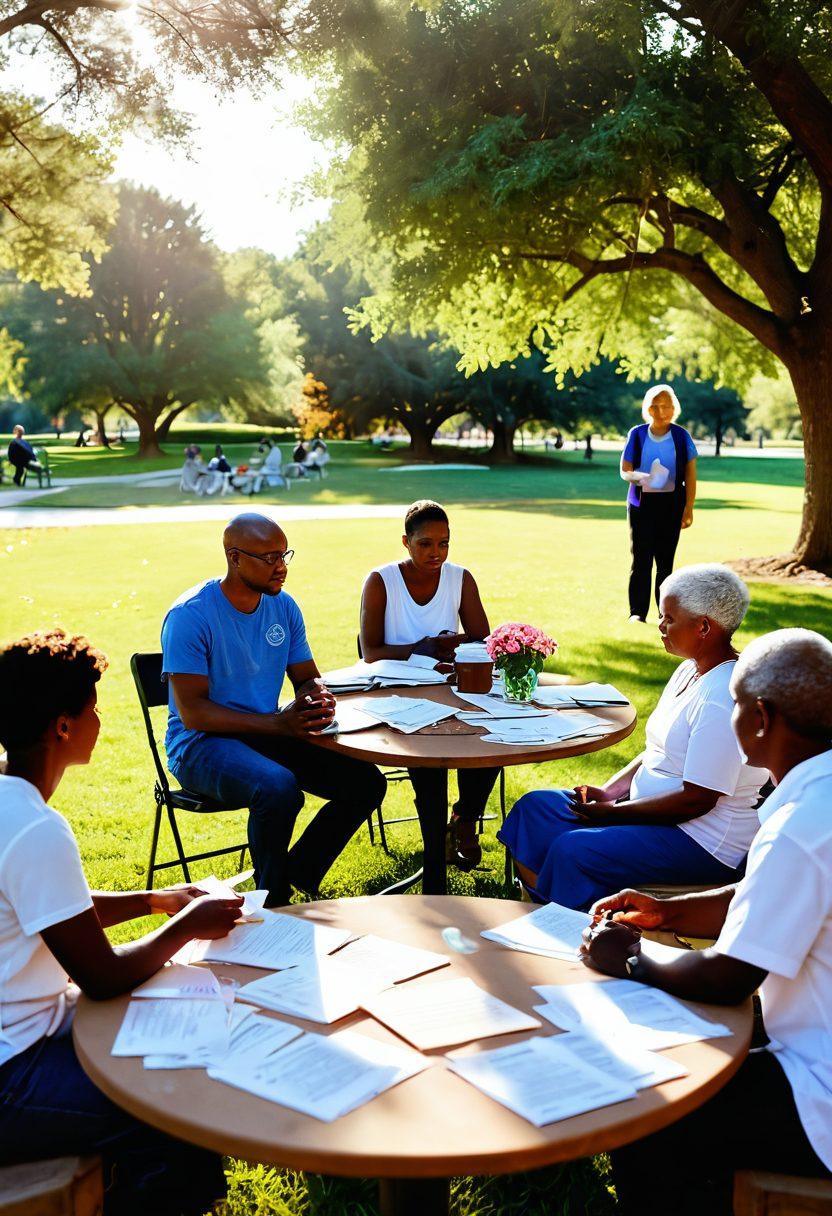
Imagine sitting in a room filled with people who understand precisely what you're going through—a safe haven where you can share your fears, hopes, and experiences. Survivor support groups can provide that. These groups help foster connections between individuals facing similar challenges, ensuring you never have to feel alone on the path to healing. By sharing stories of resilience and triumph over adversities, you’ll likely find inspiration and encouragement to confront each day of your cancer treatment with renewed vigor. What stories could you share that might uplift others on their cancer journeys?
In addition to emotional support, health resources play a pivotal role in your cancer care. Seeking out necessary medical resources is critical; this may include reputable oncology clinics that are at the forefront of cancer research and treatment options. Don't be afraid to ask questions, explore clinical trials that may be available, and widen your horizon to integrative wellness approaches such as holistic health therapies. They often encompass lifestyle strategies that support your physical and mental well-being. After all, every step taken towards awareness and prevention is a step towards becoming an empowered patient. How can identifying the right support resources make a difference in your treatment journey?
Engaging in cancer advocacy is another crucial facet of building your support network. Whether it involves educating others about cancer awareness or becoming involved in campaigns for cancer prevention, advocacy empowers not only you but those around you. Such involvement can provide a sense of purpose and community, making you an integral part of a larger fight against cancer. Imagine being the voice that inspires others to seek timely oncology consultations, which might lead to early detection and potentially saving lives. What advocacy efforts resonate with your passion, and how can you contribute?
Finally, remember that your health journey doesn’t end with treatment; it often continues into remission, and hence your support network should adapt accordingly. Survivor support communities are incredible resources for those transitioning into life after cancer. They provide vital ongoing emotional support and practical advice on maintaining health and wellness post-treatment. Engage with these communities, share your healing journey, and continue to foster connections to uphold a holistic view of your well-being. How do you envision leveraging this support system to help others while nurturing your own health?